
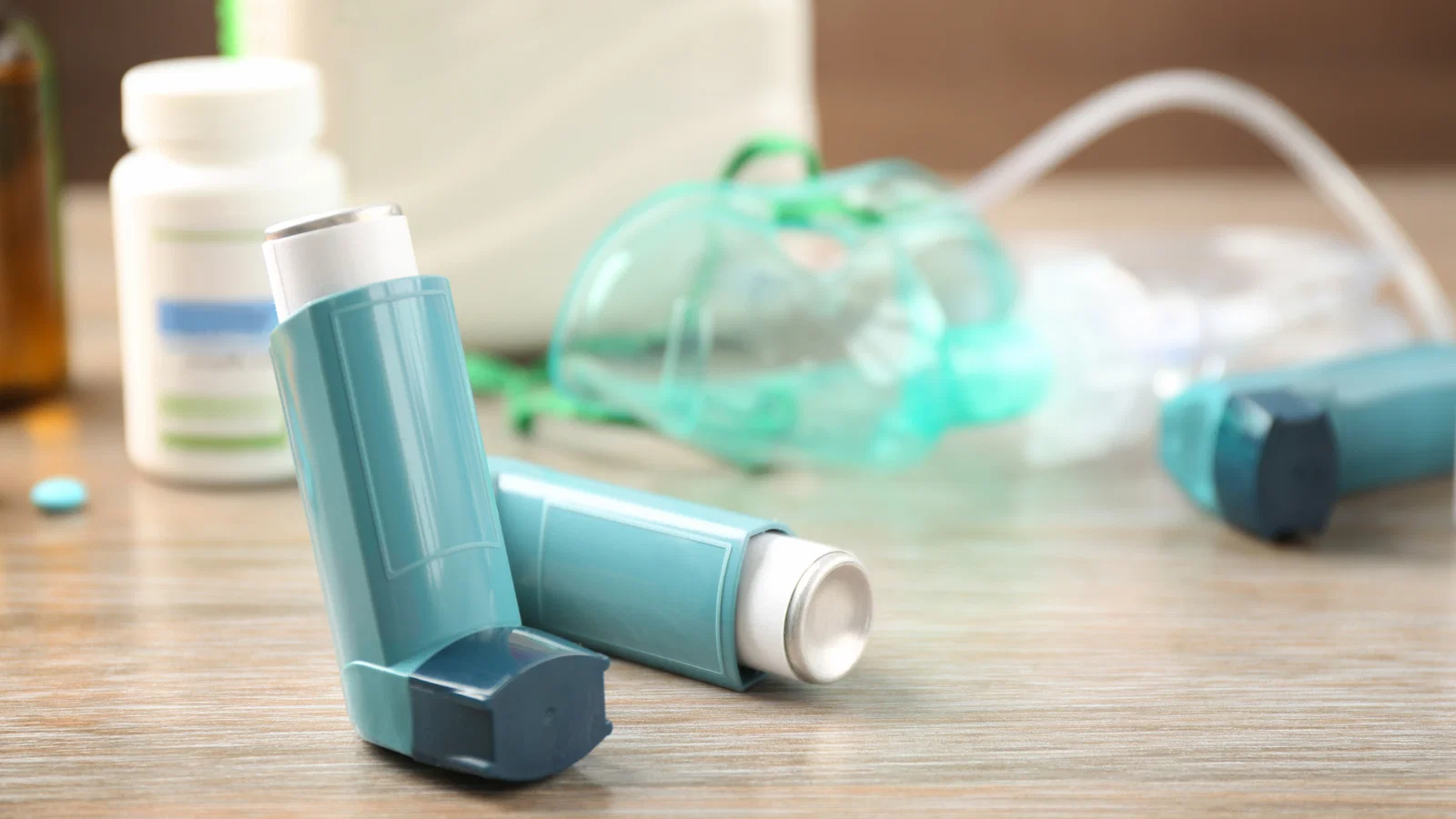
Asthma is one of the most common chronic respiratory conditions affecting millions of people worldwide, including children and adults in Nigeria. While asthma has no permanent cure, it can be effectively managed with the right combination of medical care, lifestyle adjustments, and ongoing monitoring. With proper treatment, many people with asthma lead active, healthy, and productive lives.
Understanding how to manage asthma effectively is essential for reducing symptoms, preventing severe attacks, and improving overall quality of life. Whether you have recently been diagnosed or have been living with asthma for years, staying informed about treatment options and knowing when to seek professional medical care can make a significant difference.
For individuals searching for asthma treatment in Nigeria, finding experienced doctors, respiratory specialists, hospitals, and clinics through a trusted medical services directory is an important step toward receiving timely and appropriate care.
Asthma is a chronic disease that affects the airways of the lungs. During an asthma episode, the airways become inflamed, narrow, and produce excess mucus, making it difficult for air to move freely in and out of the lungs.
Asthma symptoms can vary from person to person. Some individuals experience occasional mild symptoms, while others may have frequent attacks that require urgent medical attention.
Although asthma cannot be cured, it can be controlled with appropriate medications and regular follow-up with healthcare professionals.
Recognizing the symptoms early can help prevent complications and reduce the risk of severe asthma attacks.
Common asthma symptoms include:
Shortness of breath
Wheezing (a whistling sound when breathing)
Persistent coughing, especially at night or early in the morning
Chest tightness or discomfort
Difficulty breathing during exercise
Fatigue caused by poor airflow
Trouble sleeping due to coughing or wheezing
Symptoms may occur daily, seasonally, or only after exposure to specific triggers.
The exact cause of asthma is not fully understood, but researchers believe it develops from a combination of genetic and environmental factors.
Common asthma triggers include:
Exposure to allergens can provoke asthma symptoms.
Examples include:
Dust mites
Pollen
Pet dander
Mold
Cockroaches
Poor air quality, vehicle emissions, industrial pollution, and smoke can irritate the airways and trigger asthma attacks.
Colds, influenza, and other respiratory infections often worsen asthma symptoms, especially in children.
Some individuals experience exercise-induced asthma, where symptoms develop during or shortly after physical activity.
Cold air, humidity, and sudden temperature changes may trigger breathing difficulties.
Perfumes, cleaning agents, paint fumes, and chemical vapours can irritate sensitive airways.
Both active smoking and exposure to second-hand smoke significantly increase asthma symptoms and reduce lung function.
Proper asthma management helps people maintain normal daily activities while reducing the likelihood of emergency hospital visits.
Effective management can:
Reduce the frequency of asthma attacks
Improve breathing
Support normal physical activity
Enhance sleep quality
Prevent long-term lung damage
Reduce school and work absences
Improve overall quality of life
Consistent treatment is often more effective than waiting until symptoms become severe.
A healthcare professional will usually diagnose asthma by reviewing your medical history, discussing your symptoms, and performing a physical examination.
Additional tests may include:
Lung function tests (spirometry)
Peak flow measurements
Allergy testing
Chest X-rays (when necessary)
Blood tests to rule out other conditions
An accurate diagnosis helps healthcare providers develop an appropriate treatment plan based on the severity of the condition.
Treatment aims to control symptoms, reduce inflammation, and prevent asthma attacks.
Rescue inhalers work rapidly to relax the muscles surrounding the airways during an asthma attack.
These medications provide fast relief but should not replace long-term asthma control therapy.
People with persistent asthma often require daily medications to reduce airway inflammation and prevent symptoms.
These may include:
Inhaled corticosteroids
Long-acting bronchodilators (used with other controller medicines)
Leukotriene modifiers
Combination inhalers
Other specialist treatments where appropriate
Your healthcare provider will recommend the most suitable treatment based on your individual needs.
Nebulizers convert liquid medication into a fine mist that is inhaled through a mask or mouthpiece. They are commonly used for young children, older adults, or people experiencing severe asthma symptoms.
Medication alone is not enough. Healthy daily habits play an important role in asthma control.
Keep a record of situations that worsen your symptoms and avoid known triggers whenever possible.
Even when symptoms improve, continue using controller medications exactly as directed by your healthcare provider.
Incorrect inhaler use reduces the amount of medicine reaching the lungs. Ask your doctor or pharmacist to demonstrate the correct technique and review it during follow-up visits.
Track your breathing, coughing, wheezing, and peak flow readings if recommended. Monitoring helps detect worsening asthma before it becomes severe.
Regular exercise improves overall health and lung function. If exercise triggers symptoms, speak with your healthcare provider about strategies to stay active safely.
Excess body weight can increase asthma symptoms and make breathing more difficult.
Reducing dust, mold, and indoor allergens can significantly improve asthma control.
Children with asthma require special attention because symptoms may interfere with learning, sleep, and physical activity.
Parents and caregivers should:
Ensure prescribed medications are taken correctly.
Inform teachers and school staff about the child's condition.
Keep rescue medication readily available when advised.
Monitor symptoms closely during respiratory infections.
Attend regular medical follow-up appointments.
Early diagnosis and consistent management help children remain active and participate fully in school and play.
Although many asthma symptoms can be managed at home, some situations require immediate medical attention.
Seek urgent medical care if you experience:
Severe shortness of breath
Difficulty speaking because of breathlessness
Blue lips or fingernails
Rapid worsening despite using a rescue inhaler
Confusion or extreme drowsiness
Chest tightness that does not improve after medication
Prompt treatment can prevent life-threatening complications.
Asthma symptoms and treatment needs can change over time.
Regular appointments with a healthcare professional help:
Review symptom control
Adjust medications when necessary
Assess inhaler technique
Update your asthma action plan
Monitor lung function
Identify new triggers
Routine follow-up visits improve long-term asthma outcomes and reduce the likelihood of emergency hospital admissions.
Access to experienced healthcare professionals is an important part of effective asthma management.
Patients can benefit from consulting:
Respiratory physicians
Pulmonologists
General practitioners
Paediatricians (for children with asthma)
Allergy specialists
Ear, nose, and throat specialists when appropriate
A reliable medical services directory in Nigeria makes it easier to locate hospitals, respiratory clinics, specialist doctors, pharmacies, and diagnostic centres offering asthma-related services.
Patients can compare healthcare providers based on location, available services, contact details, consultation hours, and patient reviews, helping them make informed decisions about their care.
Although not every asthma attack can be prevented, the risk can be significantly reduced by following a comprehensive asthma management plan.
Key preventive measures include:
Taking prescribed controller medications consistently
Avoiding known asthma triggers
Receiving recommended vaccinations, such as influenza vaccines where appropriate
Practising good hand hygiene to reduce respiratory infections
Managing allergies effectively
Avoiding tobacco smoke and vaping
Following your healthcare provider's asthma action plan
Prevention is one of the most effective ways to reduce emergency visits and maintain good lung health.
Advances in respiratory medicine continue to improve asthma treatment. New therapies, digital inhaler technologies, mobile health applications, and telemedicine services are making asthma care more personalised and accessible.
Patients can now use digital tools to monitor symptoms, receive medication reminders, consult healthcare professionals remotely, and access educational resources that support better long-term asthma control.
As healthcare technology continues to evolve in Nigeria, individuals living with asthma will have even greater access to specialised care and modern treatment options.
Managing asthma effectively requires a combination of accurate diagnosis, appropriate medication, healthy lifestyle choices, and regular medical follow-up. By understanding asthma triggers, using medications correctly, monitoring symptoms, and seeking professional care when needed, people with asthma can reduce the frequency of attacks and enjoy a better quality of life.
Whether you are looking for routine asthma care, emergency treatment, respiratory specialists, or follow-up services, finding the right healthcare provider is essential. A trusted medical services directory can help you locate hospitals, clinics, pharmacies, diagnostic centres, and experienced doctors offering asthma treatment in Nigeria, making it easier to access quality care when you need it most.
With the right support and a proactive approach to treatment, asthma can be successfully managed, allowing individuals of all ages to breathe easier and live healthier, more active lives.
Subscribe to our newsletter and don’t miss anything